When Kings Had Tattoos – A Hidden History of Power and Ink
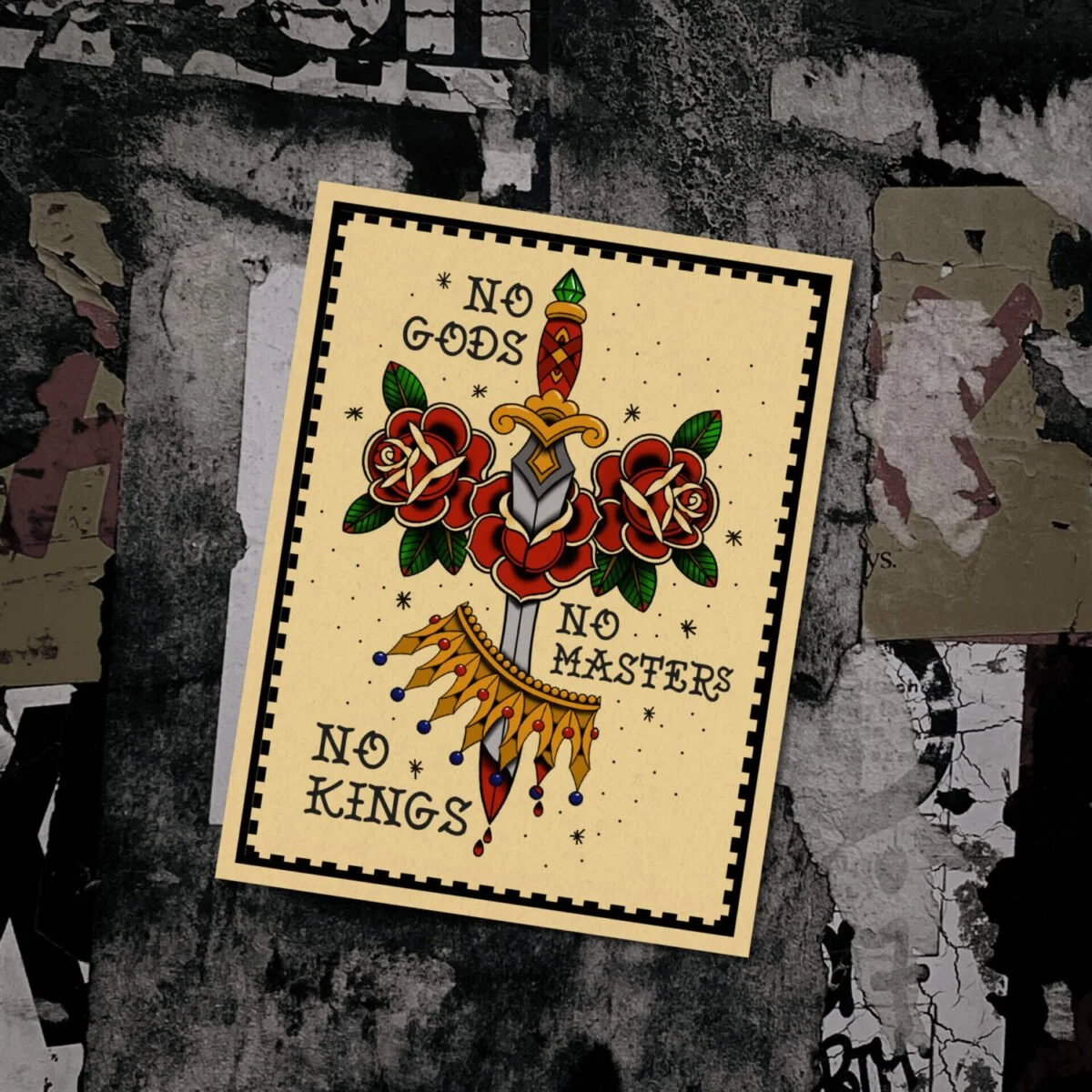
Powerful people with ink, back when tattoos weren’t supposed to exist at the top
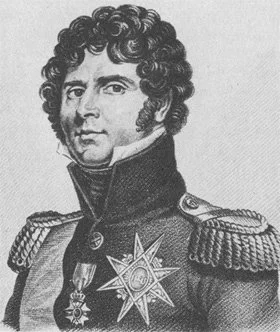
Jean Baptiste Jules de Bernadotte (1763-1844)
Jean-Baptiste Bernadotte carried one of the most inconvenient tattoos in European history. As a young officer during the French Revolution, he had “Mort aux rois” – “Death to kings” tattooed across his chest. Years later, after surviving revolutionary chaos, impressing Napoleon, and being adopted into the Swedish royal line, Bernadotte became King Charles XIV John of Sweden. The tattoo stayed with him.
Accounts suggest it was noticed after his death, which may explain his reluctance to undergo medical examinations while alive. The image is hard to ignore: a monarch governing with an anti-monarchist slogan permanently etched beneath his uniform – a relic of a previous life that never quite went away.
Bernadotte was part of a pattern that history tends to gloss over.
Nicholas II and the Japanese dragon
Russia’s last emperor, Nicholas II, returned from a major tour of Asia in 1891 with a dragon tattoo on his arm.
The tattoo was done in Japan, where tattooing was already a refined and established art form. Nicholas was still the heir at the time, traveling as part of a diplomatic and educational journey through the region. Photographs taken later show the dragon clearly when he rolled up his sleeve.
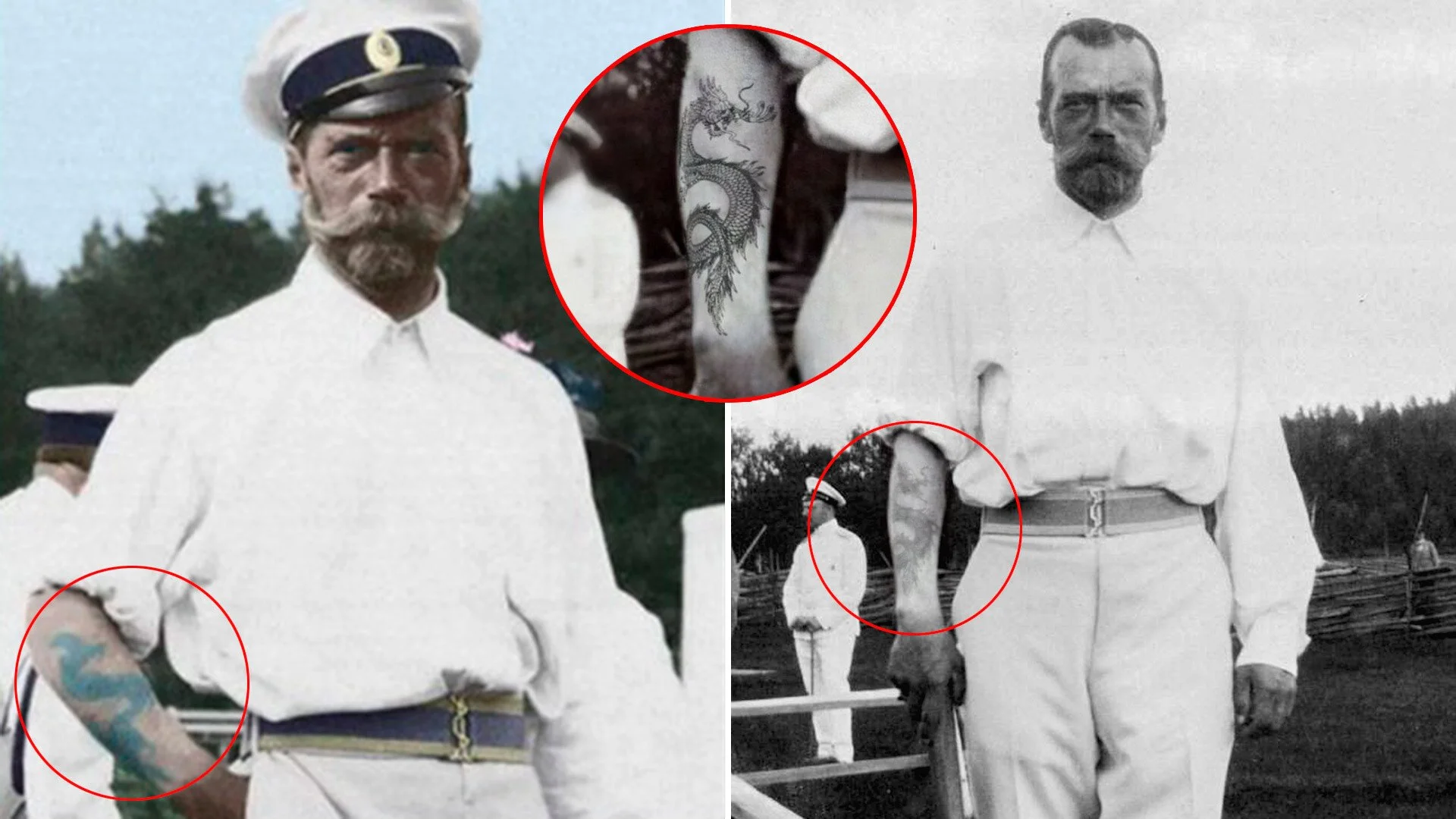
Nicholas II, the last Russian emperor
It sits uneasily with the familiar image of Nicholas as stiff, doomed, and ceremonial. The tattoo tells a different story: a young imperial figure participating in a late-19th-century fascination with Japanese culture shared by much of Europe’s elite.
The British crown wasn’t exempt
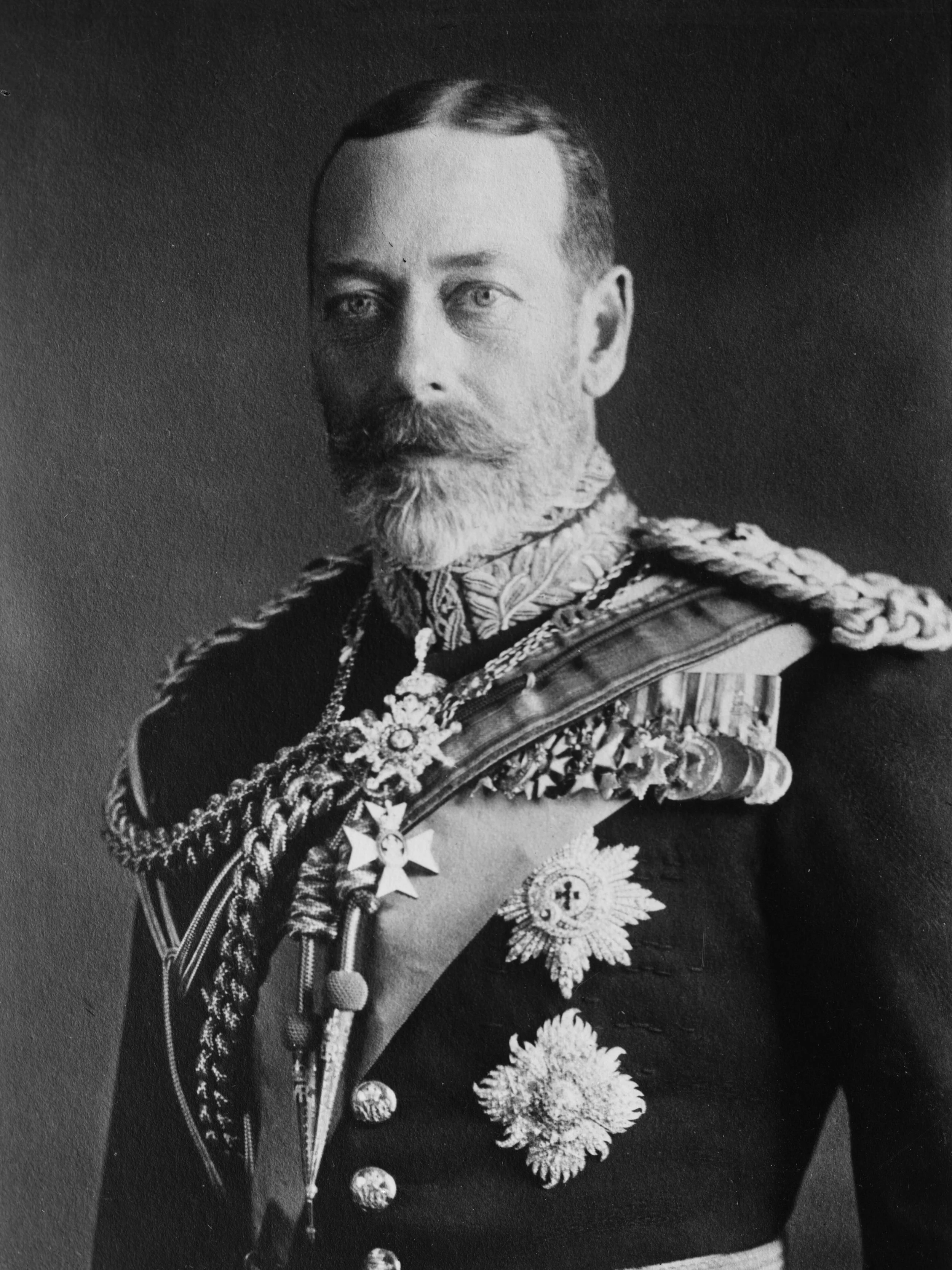
King George V
Nicholas’ cousin, Prince George, later King George V, also left Japan tattooed.
As a teenage naval cadet in the early 1880s, George received tattoos on both arms – a dragon on one arm and a tiger on the other. The designs were typical of Japanese tattoo work encountered by European naval officers at the time. Royal records and later exhibitions have confirmed their existence.
George eventually ruled Britain through war and imperial decline. The tattoos never defined his public image, but they were part of his biography all the same.
Revolutionary ink carried into high society
Political transitions didn’t always erase what people carried on their skin.
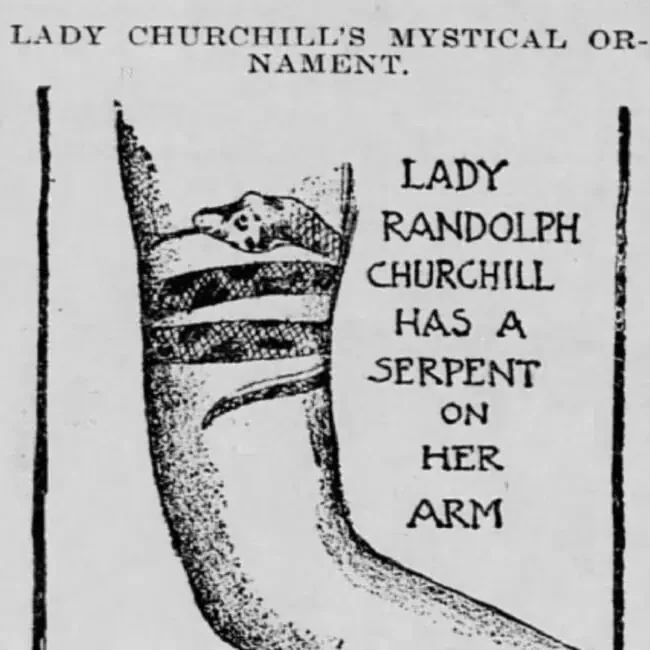
Bernadotte’s tattoo survived his rise to monarchy. In Britain, Lady Randolph Churchill, a prominent aristocrat and political hostess, was widely reported to have a snake tattoo on her wrist. It was visible enough to attract comment, discreet enough to be tolerated.
She remained central to elite social life and political influence – and the tattoo existed alongside it.
Tattoos never fully left royalty
By the late 20th century, tattoos reappeared in royal coverage, this time under constant media scrutiny.
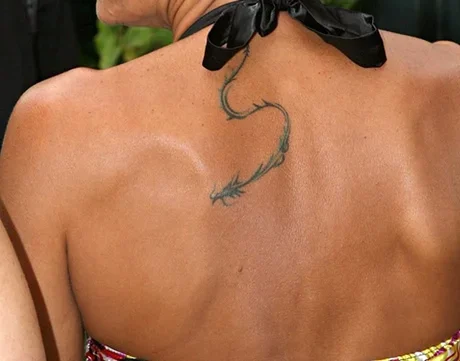
Princess Stéphanie of Monaco became known for several tattoos, including a dragon on her back. Coverage framed her as unconventional, but her tattoos fit into a much longer lineage of discreet royal ink.
In Denmark, Frederik X, now king, carries tattoos from his military service, including a shark tattoo associated with elite naval divers and a small frog from his time in special forces. These details are well known, rarely dramatized, and treated as biographical facts rather than scandals.
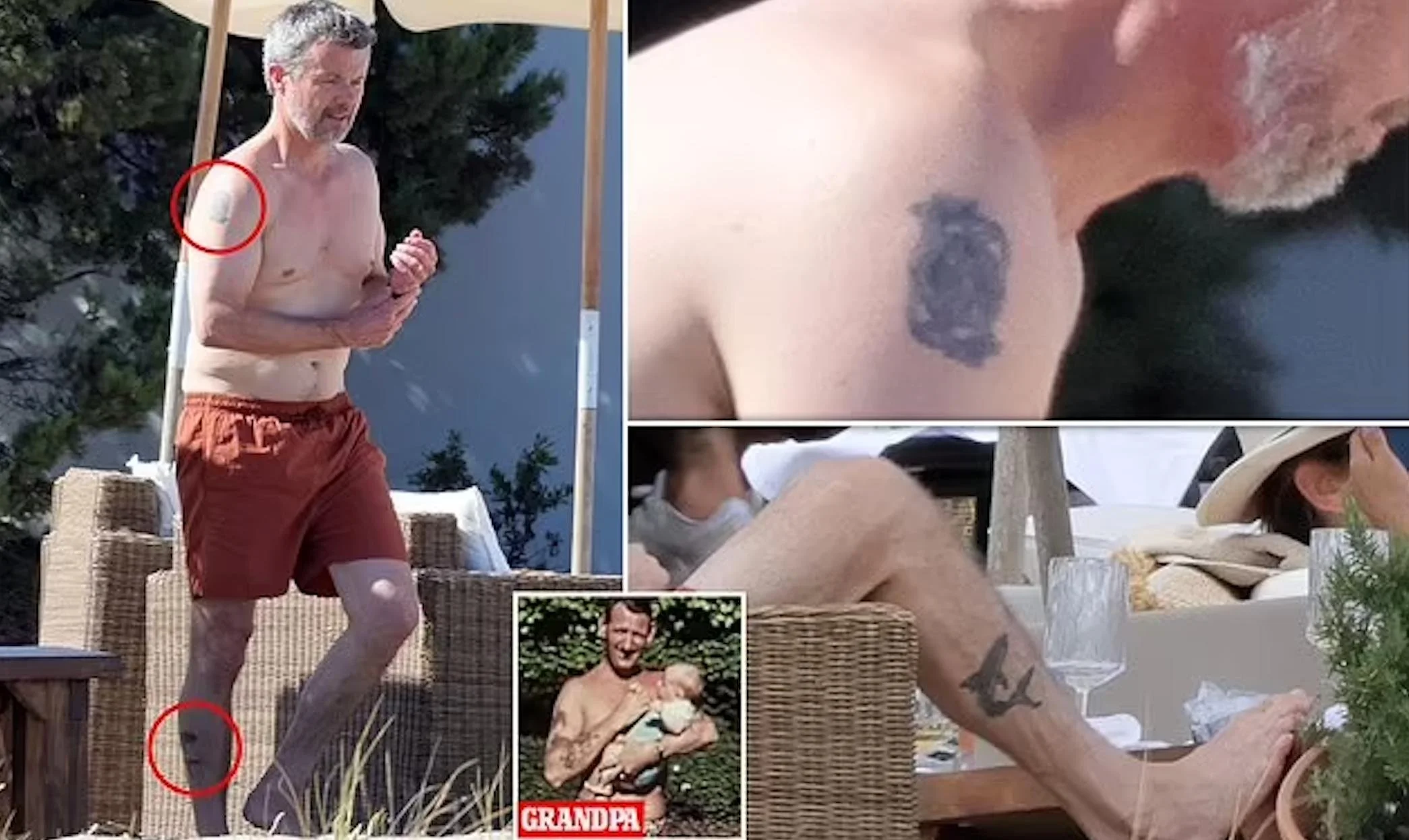
Frederik X
Ink, power, and memory
Across centuries, tattoos have appeared on bodies that ruled empires, commanded armies, and shaped political systems: a revolutionary slogan beneath royal regalia, a Japanese dragon on the arm of a tsar, naval tattoos on a future British king, military ink on a modern monarch. They were personal marks that outlived political shifts, changes in taste, and entire regimes.